First person · Read this before you forget
I Was Forgetting Things Everywhere — Keys, Phone, Wallet, Even Why I Walked Into a Room. Then a Doctor Told Me the Truth About My Brain.
 By Michael, 54, operations manager8 min readUpdated today
It wasn’t just the store. A week earlier, I’d missed the exit I take every single morning. Hands white on the wheel, heart hammering, I wondered: is this how it starts? Then I blanked mid-sentence in a meeting with my boss. Not the word. Not the point. Just a blank wall where my thought had been a second before.
The small things were adding up. Phone down one minute, ten minutes of pocket-patting the next. Walk into the kitchen and freeze, bag on my shoulder, keys in hand, no idea why I’m there. I blamed stress. Age. A bad night’s sleep. But the excuses were wearing thin — and the fear was getting louder.
And then there was the medication. Did I take it this morning? I could not remember. I stood at the bathroom sink and stared at the bottle like it was a witness I was trying to intimidate into talking.
I didn’t tell anyone. I started tracking every slip like a detective building a case against my own brain. A name I couldn’t place. A word on the tip of my tongue. A room I walked into and forgot why. Each one felt like another tick on a chart heading somewhere terrible. My bloodwork was fine. Sleep was fine. But I was quietly becoming terrified that my brain was slipping away before I was ready.
I want to tell you exactly how I stopped the spiral — because six months ago, I would have called this too good to be true.
It’s Not Dementia. It’s Something Far More Common — And Fixable.
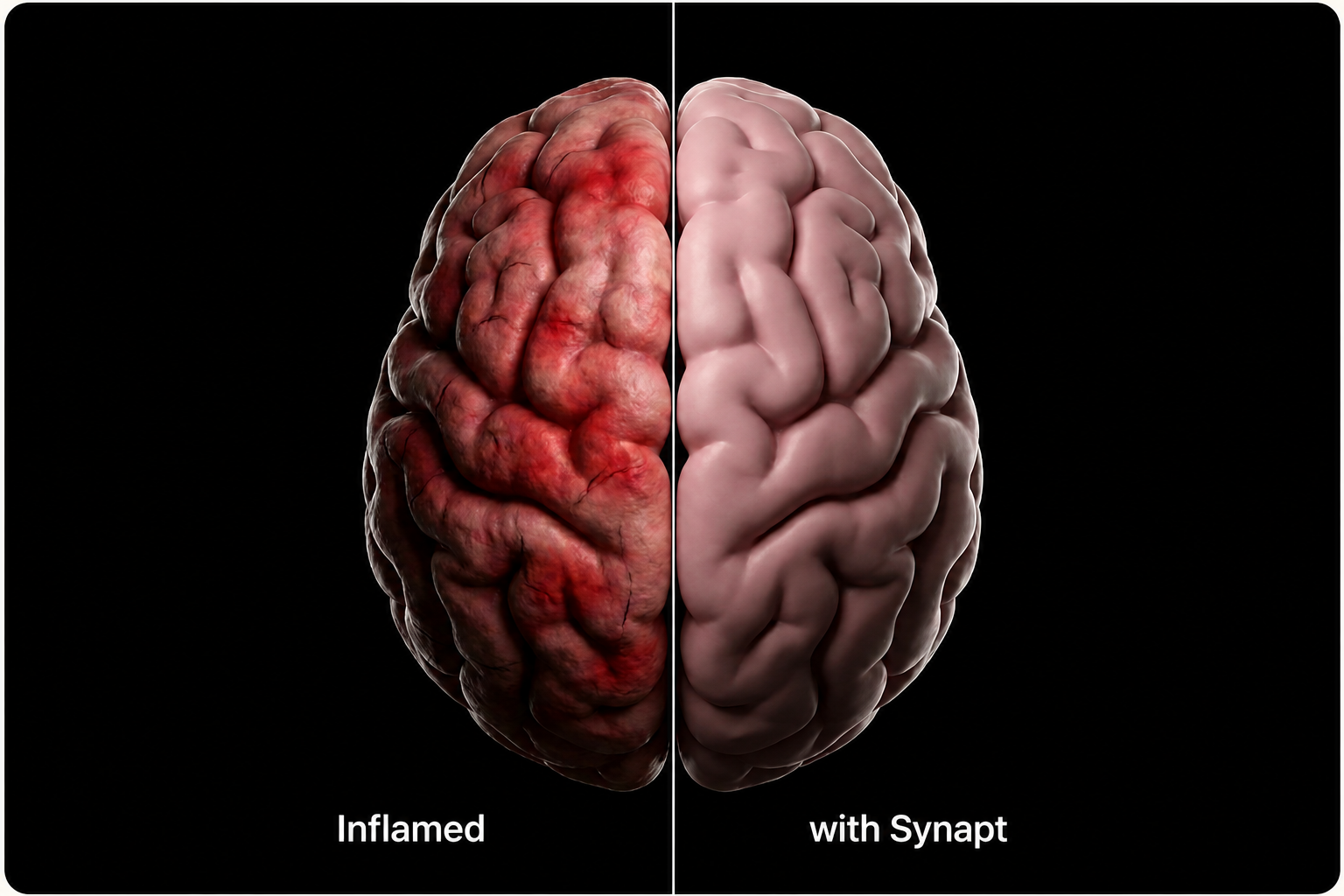
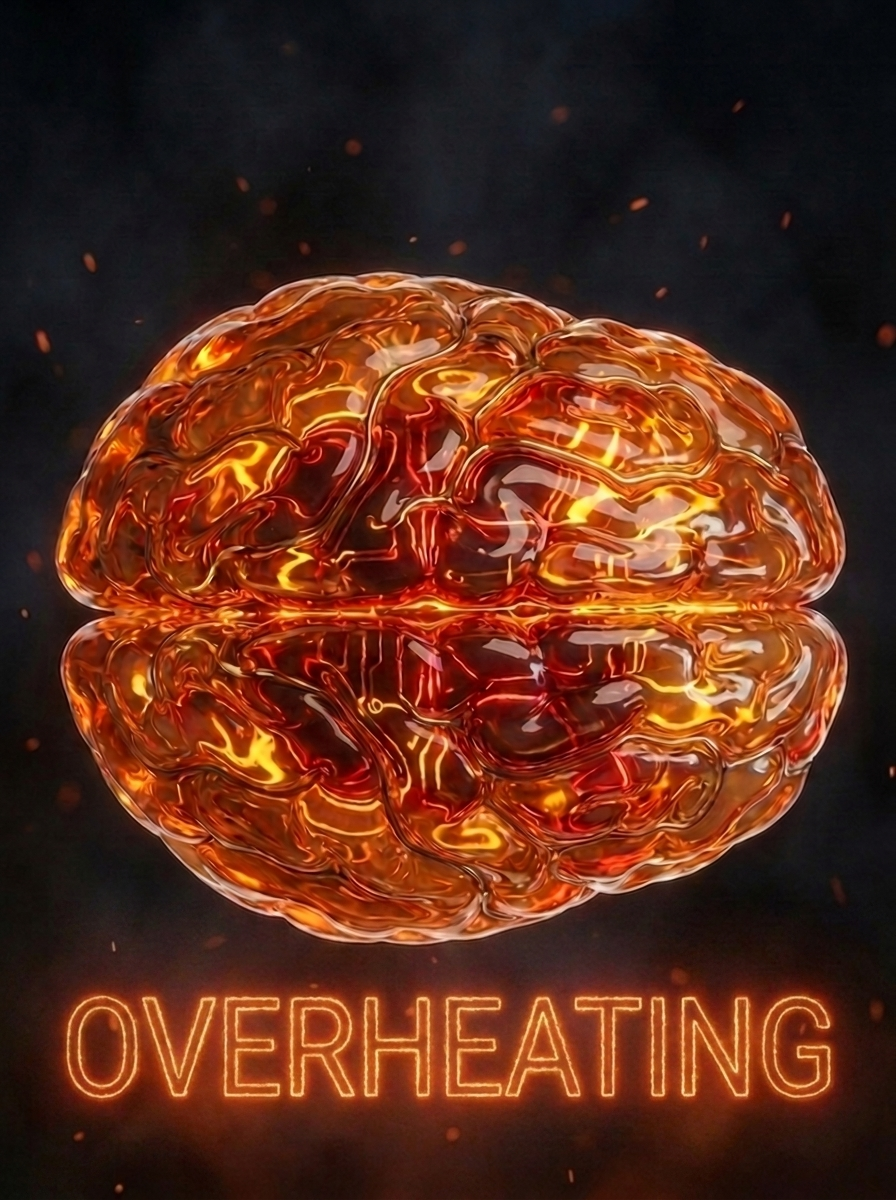
The fear has a name — “early dementia” — and it lives in the back of every adult’s mind the first time a name doesn’t come. But what I had wasn’t dementia. It was neural overwhelm: a brain dropping tasks under load, like an overworked computer lagging and freezing. You can sleep eight hours and still blank in conversation, because the problem isn’t rest. It’s sustained stress, noise, and mental load eating your recall alive.
Your brain isn’t broken. It’s drowning. And nobody told you there’s a lifeline.
The cruelest part? The fear itself makes it worse. Every panic over a forgotten word floods your body with cortisol — and cortisol is poison for the very systems you need for memory and clarity. You forget, you panic, the panic makes you forget more, and the spiral feeds itself. I spent months cataloging my own decline, when I was really just documenting stress doing what stress does best.
70% OFF Ends TonightClaim Synapt before this batch sells outThe science, in one line
Stress inflames your neural pathways. Your memories are still there — your brain is just too overloaded to find them.
⚠ 6 Signs Your Brain Is Overloaded (Not Dying)
- ✓Walking into a familiar room and forgetting why
- ✓Missing exits or turns you’ve taken for years
- ✓Blanking mid-conversation with people you know well
- ✓Forgetting where you left your phone, bag, or keys — then retracing your steps with that sinking feeling
- ✓Double- and triple-checking whether you took medication
- ✓Lying awake replaying every small lapse, wondering if it’s the start
If even two of these hit home, you’re not losing your mind. You’re neurologically overloaded — and that’s reversible.
I Tried Everything Before I Found the Real Fix
- More sleep. I went to bed earlier, bought a better pillow, stopped screens after 9pm. It helped a little. But the fog still showed up the next day, because the problem wasn’t sleep. It was the load my brain was carrying while I was awake.
- Brain games and apps. Felt like homework. I got better at the games, which is not the same as getting better at remembering why I walked into the kitchen or what my colleague’s name is.
- Writing everything down. This one backfired. The longer the list got, the more obvious it became how much I was dropping. It became evidence for the fear instead of a solution.
- Avoiding social situations. If I didn’t talk to people, I couldn’t lose words in front of them. I became quieter, more isolated, and more convinced something was seriously wrong.
- Googling dementia symptoms at 2am. The single worst decision I made. Every normal age-related lapse suddenly looked like Stage One of something irreversible. I don’t recommend this to anyone.
The 3-Second Conversation That Changed Everything
My wife noticed before I did. Not the slips — she was too kind for that. She noticed I’d stopped telling stories at dinner. That I was quieter at parties. That I seemed “somewhere else” even when I was sitting right beside her.
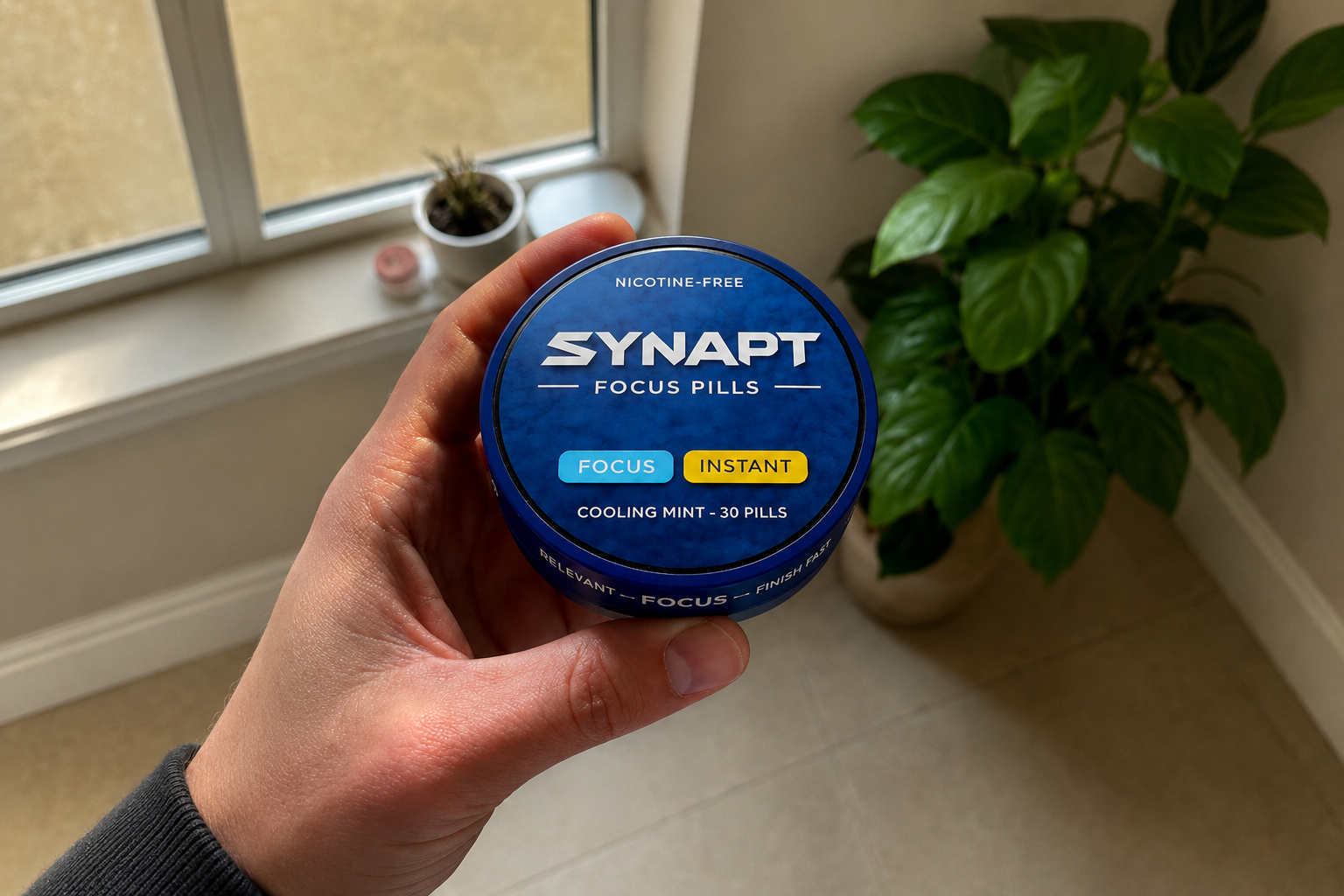
A friend of hers — a woman in her sixties running a small business — mentioned almost offhand that she’d started taking something called Synapt after a year of the same quiet fear. What she said stuck with me:
“I didn’t become a genius. I just stopped feeling like my brain was leaking.”
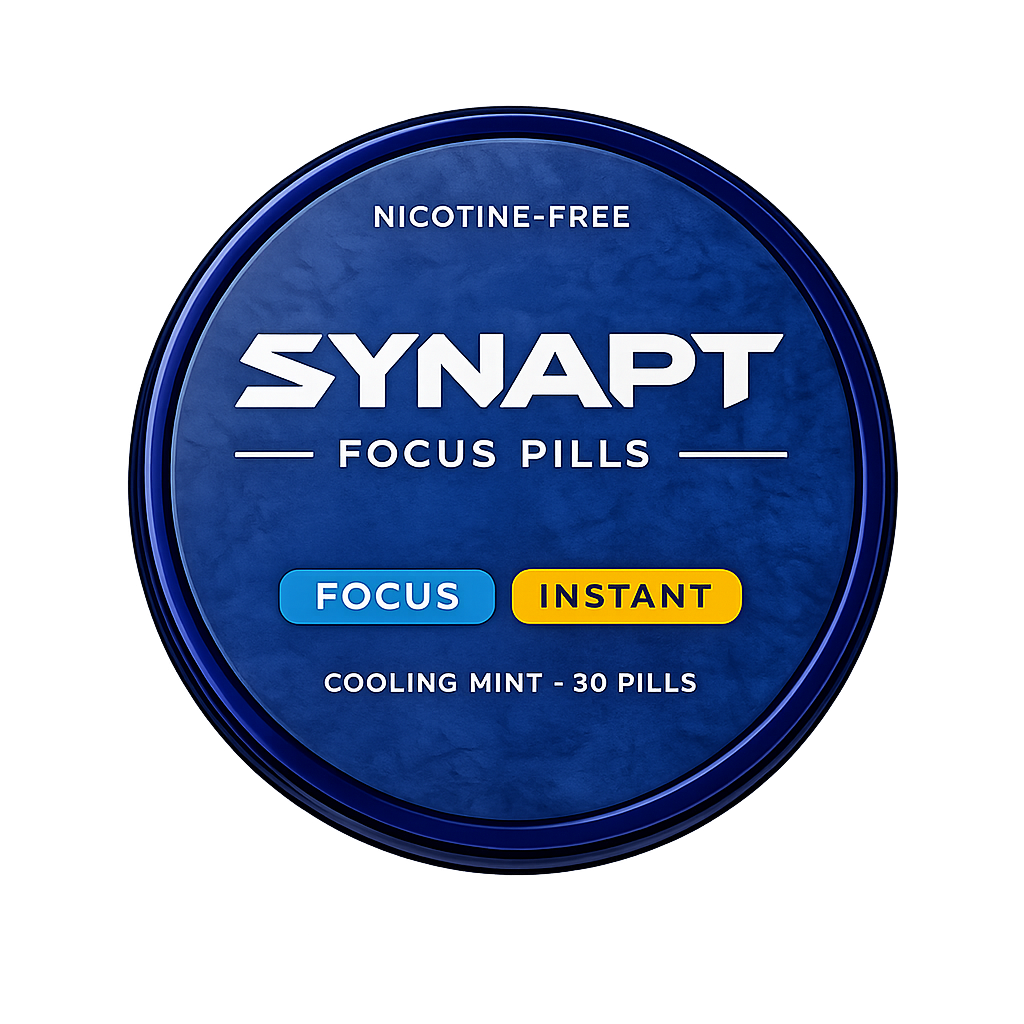
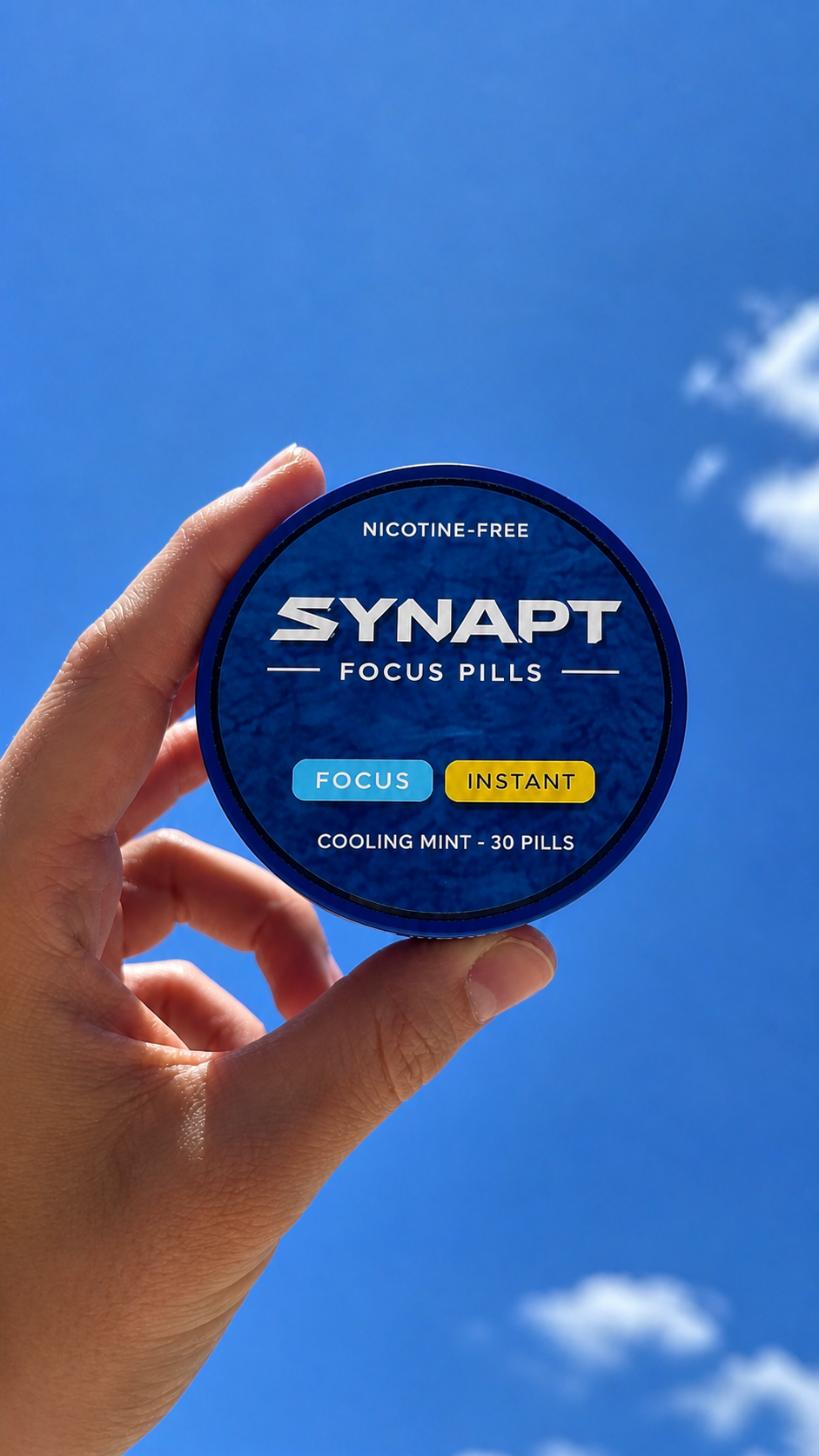
I was past skepticism. But I still checked what was actually in it before trying it. I’d already wasted money on enough “brain” products that were just caffeine and wishful thinking. Synapt is nicotine-free and not built on a stimulant spike — exactly what I needed, because the last thing I wanted was more jitters on top of the anxiety.
What Happened to My Brain — Day by Day
First dinner in months without a lost word
The exact situation that usually made me panic — old friends, names, stories. Nothing dramatic happened. But for the first time in months, nothing dramatic didn't happen either.
Stopped double-checking everything
No more walking back to the car to check the lock. No more opening the pill bottle twice. No more replaying conversations. The constant self-monitoring quietly softened.
My wife said I seemed like myself again
She didn't know I'd changed anything. She just noticed I was talking more at dinner, telling stories, actually present instead of lost inside my own head.
The fear stopped running the show
Names still went missing occasionally — names do that. But the cold spike of panic didn't follow every time. I stopped living inside a self-diagnosis and started living again.

Let me be honest: my memory didn’t become photographic. Hard names are still hard. What changed is that a normal mental lapse stopped triggering a panic attack. I stopped monitoring myself like a patient and started living like a person again.
Why Synapt Works When Coffee Fails
Synapt isn’t a stimulant. It doesn’t wire you up or fake alertness. It targets the neural depletion and inflammation that build up under chronic mental load — the real mechanism behind that “where did I put my keys?” feeling. Coffee gives you a temporary alertness buzz but does nothing for the underlying overwhelm. That’s why you can be jittery and still blank on a name. Synapt is built around the depletion itself — which is also why there’s no crash to add to the anxiety you’re already managing.
Half the People I Know Were Suffering in Silence
Once I said something out loud, half the people I knew admitted they’d been quietly falling apart the same way. A golf buddy forgot why he’d walked into his own garage. A woman in my wife’s book club stopped hosting because she was afraid of losing a word in front of everyone. My brother started photographing his pill organizer every morning as proof he took them. None of us are supplement people. We were just people whose brains were being asked to process too much, too fast, for too long — and who were quietly terrified it meant something worse.

The Cost of Doing Nothing Is Higher Than You Think
A few honest notes
This won’t reverse a genuine cognitive condition, and it isn’t a substitute for seeing a doctor if you’re truly worried — especially if your lapses are getting worse quickly or affecting daily life. What Synapt addresses is the fog and depletion that make normal memory lapses feel catastrophic. If seeing how it’s formulated helps you decide, that’s a smart next step.
12,847 People Already Made the Switch
“I'm 58. I was convinced something was seriously wrong. Turns out I was just exhausted and scared. This gave me my confidence back — not a perfect memory, but my life back.”
“No jitters, no weird buzz. Just... the fog lifted. I stopped avoiding my book club because I was terrified of losing words in front of everyone.”
“Took about two weeks before I really noticed. Once it clicked, the difference was undeniable. Not miracle-real. Real-real.”
“My husband noticed before I did. Said I stopped asking if I already took my pills. Small thing, but it changed how I feel about my own mind.”
“Not a cure. Still have senior moments. But the 2 a.m. terror that every slip was dementia? That part is finally quieter.”
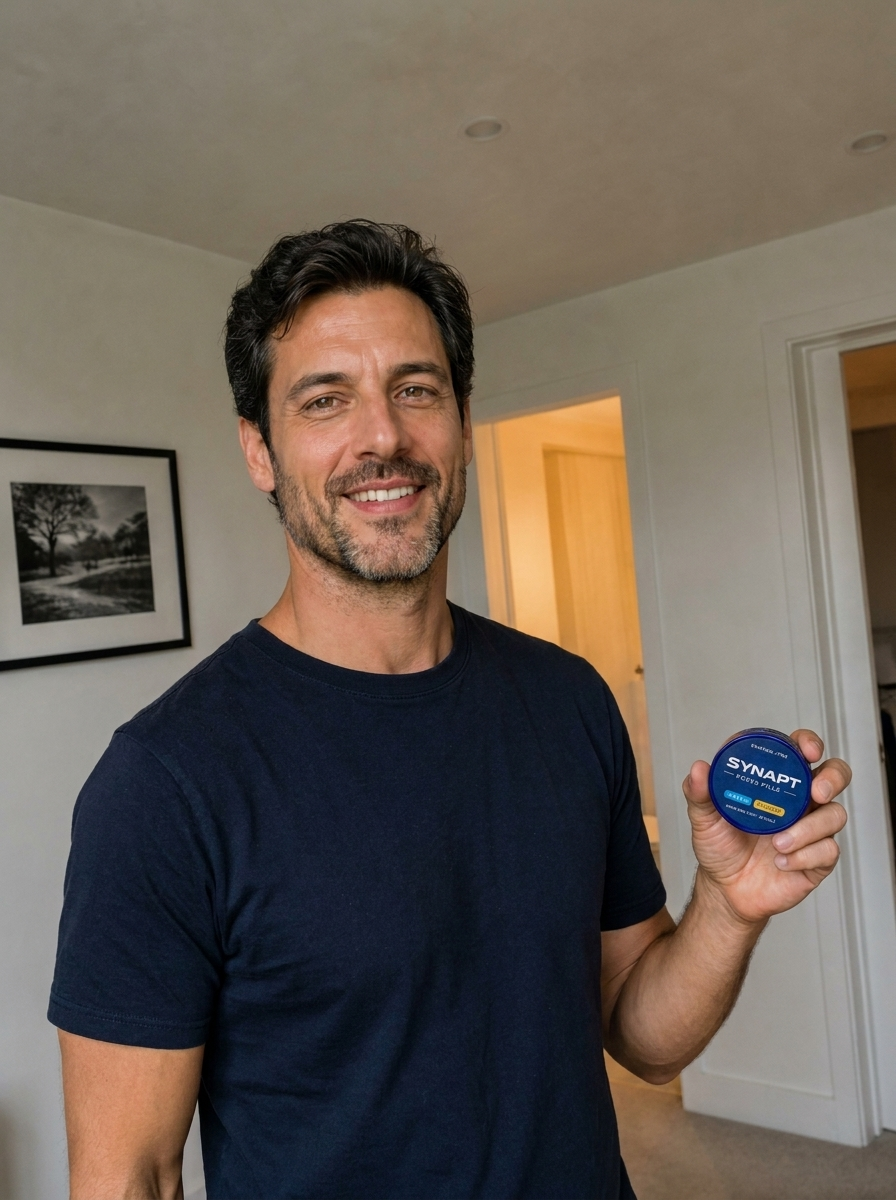
“I finally stopped searching for my phone while I was holding it.”- Marcus D., sent in by email
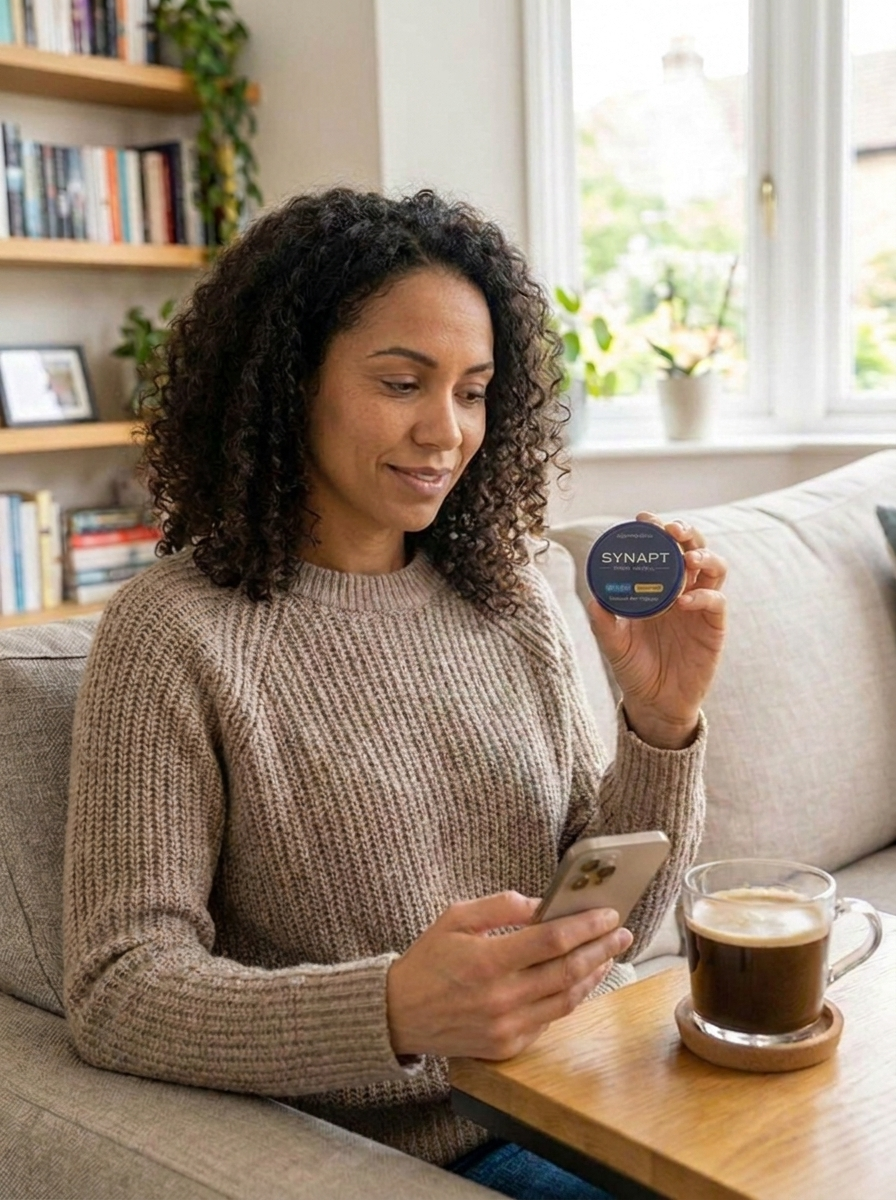
“I stopped retracing my steps for my keys every morning.”- Nadia P., sent in by Instagram
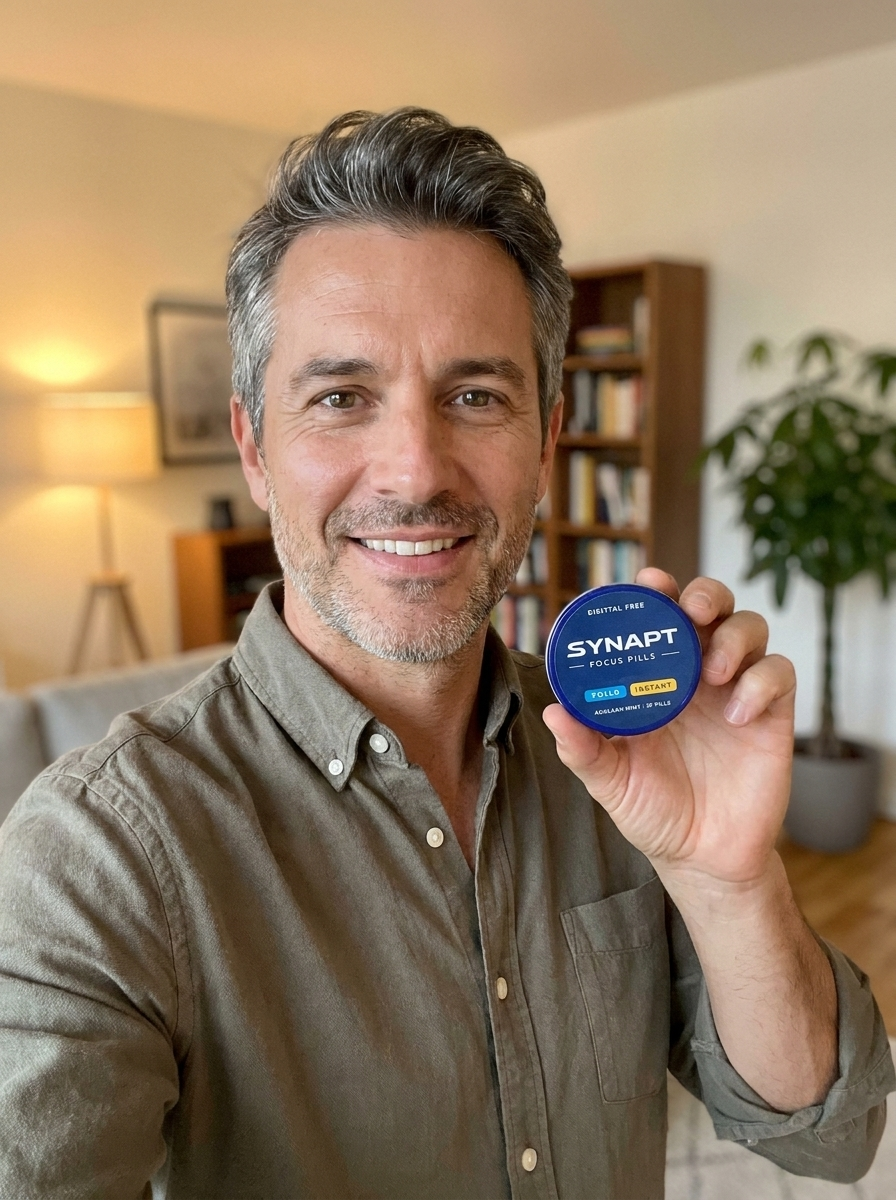
“My 3 p.m. mental fog just didn't show up.”- David R., sent in by email
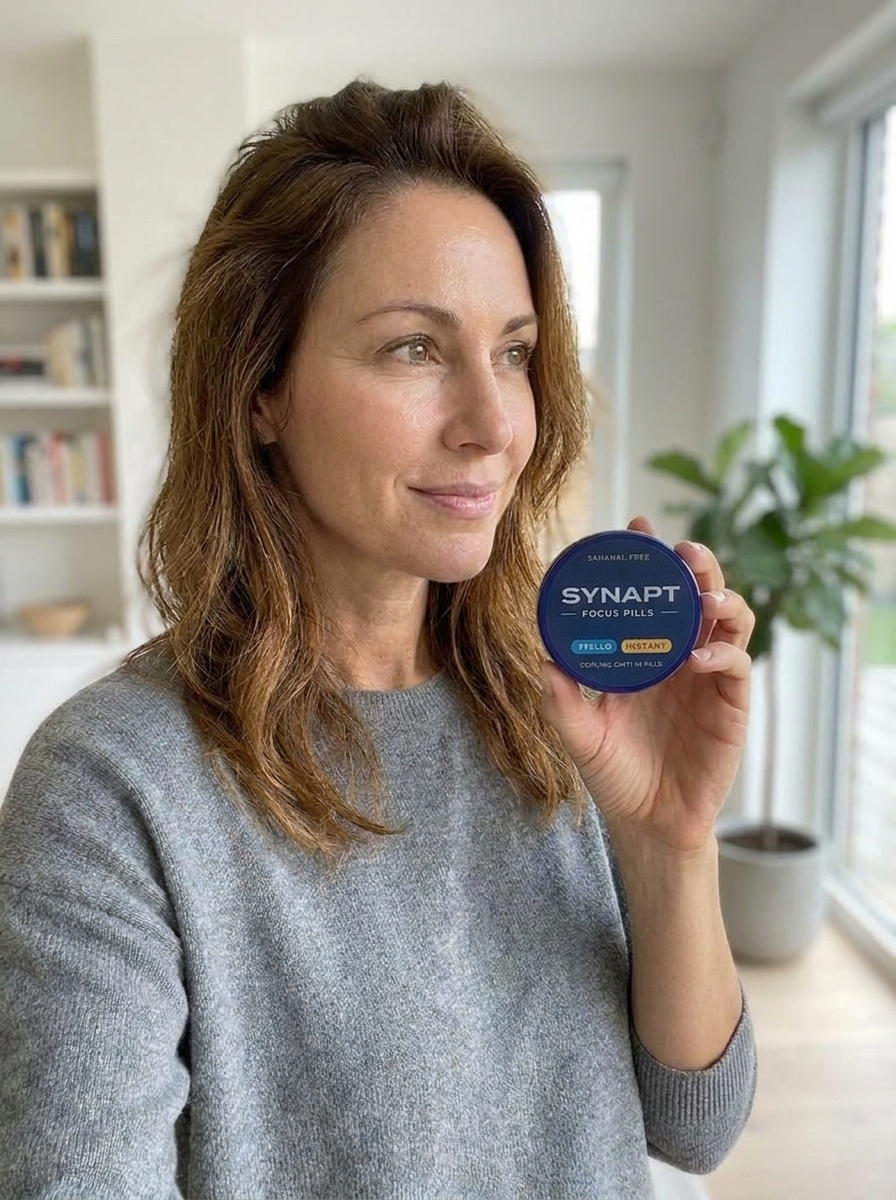
“No jitters, no crash. Just clearer recall when I need it.”- Emily T., sent in by email
⏳ Limited stock
8,300 People Grabbed This Last Month. Once It’s Gone, the Price Goes Back Up.
At the current 70% off, stock is moving quickly. Once this batch is gone, so is this price. Ends in 00:10:00.
Your Questions, Answered
- Is this for dementia or memory disease?
- No. Synapt is formulated for normal cognitive fog and depletion, not dementia or clinical memory disorders. If you have serious or worsening symptoms, please see a doctor.
- Will this give me a perfect memory?
- No — and be skeptical of anything that claims to. Synapt helps stop normal mental lapses from spiraling into panic and depletion. It won’t turn you into a different person.
- How long before I notice a difference?
- It varies. Some people notice within the first few days. For others, the difference becomes clear after a couple of weeks of consistent use.
- Who is this for?
- Adults experiencing normal memory lapses that feel amplified by stress, mental load, and the fear that something more serious is wrong.
- Is it safe with other medications?
- It's formulated for regular use, but if you have an existing health condition or take other medication, check with your doctor first.
If this sounds familiar
If you’ve ever stood in a room and felt your brain hesitate — and felt the fear that followed — this is your moment to fix it.
Claim My 70% Discount Now →🔒 Nicotine-free · No crash · 60-day guarantee · Free shipping